Reliable Moss Removal Nanaimo for Preventing Roof Damage
Effective Roof Moss Removal: Bring Back Your Roof's Structural Soundness and Longevity
Effective roof moss removal is essential for maintaining the integrity and lifespan of a home. Moss can collect moisture, causing potential damage to roof structures and expensive fixes. Homeowners should be aware of warning signs of a moss condition and understand the multiple methods available for careful elimination. However, the question remains: what are the recommended approaches for maintaining the roofing surface stays unaffected by moss in the long term? Exploring these strategies is vital for effective home maintenance.
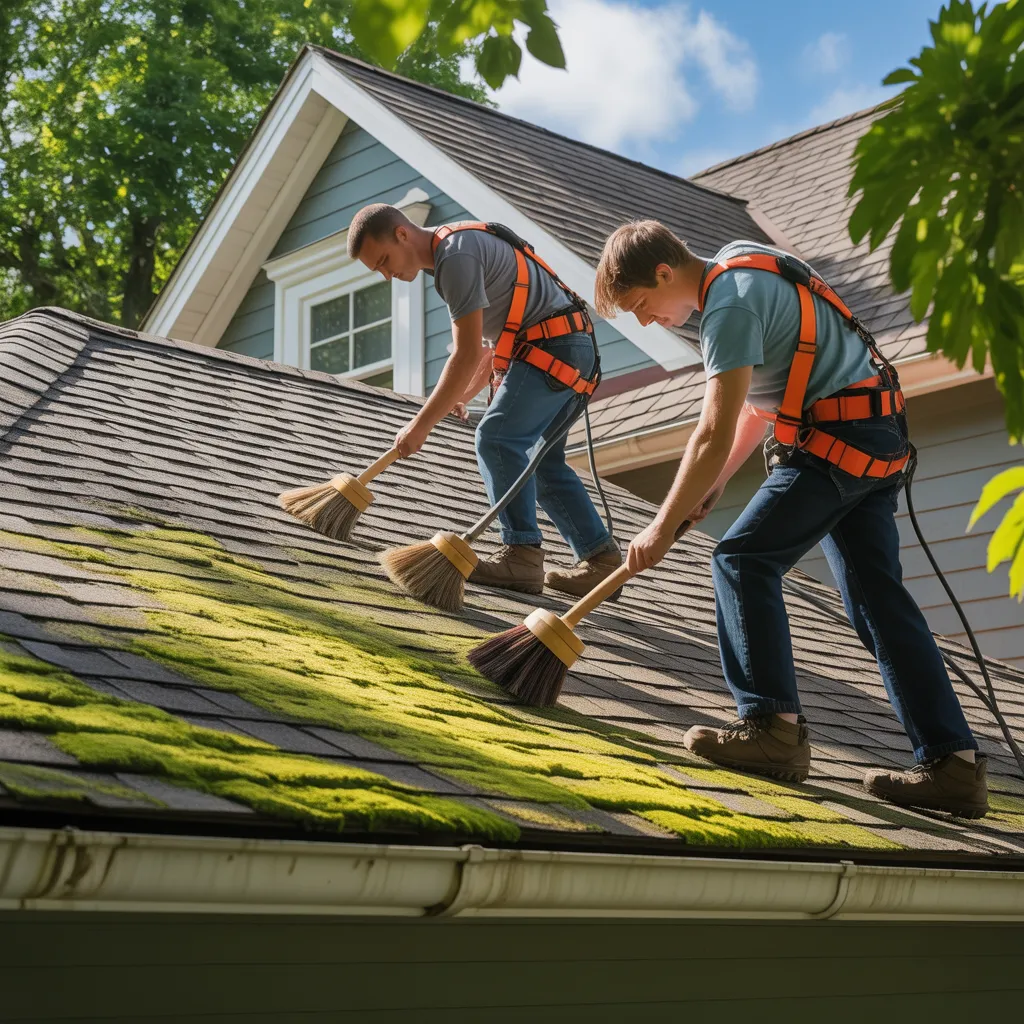
Comprehending the Hazards of Moss on Your Roof
Moss growing on a roof can lead to considerable dangers to a home's integrity. It thrives in damp, shaded locations, resulting in moisture retention that may degrade roofing materials over time. As moss spreads, it can dislodge shingles, creating gaps that permit water entry. This often leads to leaks, potentially causing widespread damage to ceilings, walls, and insulation. Moreover, moss presence can stimulate the appearance of other harmful organisms, like mold and algae, which further compromise the roof's integrity. The weight of accumulated moss may also stress the roofing system, especially in areas prone to heavy rainfall. Homeowners may incur greater repair expenses and lower property value if the moss problem is left untreated. In the end, understanding these hazards is vital for maintaining a safe and sound home environment and ensuring the roofing system's longevity.
Signs of a Algae Issue
A robust expanse of green on a roof can regularly signal a moss situation. Homeowners should be vigilant about the presence of moss, as it can indicate underlying predicaments affecting their roof's integrity. Moss thrives in damp, dim areas, often encountered on rooftops with lacking drainage or overhanging trees. If moss is visible, it may be supplemented by other indicators, such as dark streaks or discoloration on shingles, which can suggest moisture buildup and deterioration of roofing materials.
Additionally, property owners should monitor for increased granule loss from shingles, as moss can retain water, leading to accelerated wear. Curled or lifted shingles may also indicate that moss has damaged the roof's structure. Routine inspections, particularly following heavy rainfall, can help identify these problems early. Recognizing these signs is crucial for maintaining a roof's lifespan and avoiding costly repairs.
Step-by-Step Guide to DIY Moss Elimination
Taking away moss from a roof requires meticulous preparation and implementation to safeguard the roofing materials while guaranteeing a complete cleaning. First, the individual should gather necessary supplies, such as a soft-bristle brush, ladder, and safety gear. Before starting, it is critical to assess the roof's condition and locate areas heavily affected by moss.
Next, the person should position the ladder securely, guaranteeing steadiness. Starting from the top, they can carefully brush away moss, moving downwards to avoid debris from damaging lower sections. For resistant patches, a mixture of water and mild soap may be used, allowing it to soak for a few minutes before scrubbing.
Upon removal, washing the roof with a garden hose is essential to eradicate any remaining moss and cleaning solution. Finally, the individual should survey the roof and surrounding areas for any debris, verifying a clean finish that fosters long-term roof health.
When should you use Chemical Moss Elimination Solutions?
While many homeowners opt for natural methods for moss elimination, there are cases when chemical treatments prove necessary. When moss growth is extensive and firmly rooted, chemical treatments can successfully penetrate and eradicate the problem more productively than hands-on methods. This is particularly true for structures with sharp pitches or inaccessible areas where conventional methods may present safety hazards.
In addition, chemical solutions are beneficial in situations where quick outcomes are critical, such as before listing a property or during routine upkeep. They can also be practical for roofs made from substances that are less resistant of physical scrubbing, like asphalt shingles.
However, property owners must take precautions, reading labels carefully to ascertain the selected product is safe for their roof surface and the nearby area. Ultimately, chemical moss removal should be considered a method to support a comprehensive maintenance strategy, making sure the roof remains in optimal shape.
Proven Tactics to Eliminate Moss Re-emergence
Chemical agents can effectively tackle current moss problems, but preventing regrowth is equally essential for long-term roof maintenance. One effective strategy is to enhance sunlight exposure. Trim overhanging branches to allow more sunlight to reach the roof, as moss thrives in shady environments. Additionally, ensuring proper roof airflow can lower moisture levels, making the surface less hospitable to moss growth.
Regular upkeep also is important. Gently removing debris such as leaves and dirt helps prevent moisture buildup. Installing zinc or copper strips along the roof ridges can inhibit moss growth, as the metal ions wash down during rain. Proper drainage is essential; clogged gutters can lead to water pooling, creating an ideal environment for moss. Finally, routine inspections can help identify early signs of moss and allow for prompt action, maintaining the roof's integrity and extending its lifespan.
Do You Require to Engage a Specialist for Roof Washing?
Is bringing in a professional for roof maintenance services truly cost-justified? This concern often occurs for property owners tackling moss and debris accumulation. While DIY methods may appear inexpensive, the risks associated with roof cleaning can be substantial. Qualified experts command the necessary equipment, experience, and safety education to perform the work with efficiency, curtailing the risk of roof damage or harm to the homeowner.
Additionally, specialists can recognize hidden issues that may not be noticeable to the inexperienced eye, such as structural deterioration or probable water damage. This quick identification can protect homeowners from expensive repairs down the line. Engaging a professional also confirms that the maintenance is done using correct methods and green materials, which can increase the roof's durability. Ultimately, choosing expert roof services can provide peace of mind and maintain the structural integrity of the home, making it a valuable investment for many homeowners.
Full Year Roofing Care Strategies
Keeping a roofing structure in good condition year-round is vital for keeping its integrity and prolonging its lifespan. It is recommended to carry out regular inspections at least twice annually, preferably in spring and fall season, to spot potential issues like damaged shingles or debris buildup. Clearing gutters and downspouts from leaves and dirt stops water backup, mitigating the risk of leaks and mold development.
During winter, homeowners need to track ice dams, which can lead to considerable damage. Installing appropriate insulation and ventilation assists in decreasing this risk. In the warmer months, applying a moss or algae product can impede growth and copyright aesthetics.
Additionally, cutting back overhanging branches decreases moisture retention and shade, discouraging moss growth. Finally, monitoring the roof's flashing and seals guarantees that any required fixes are made quickly, protecting the roof's general condition and performance. By adhering to these recommendations, property owners can effectively protect their roofs year-round.

Frequently Asked Questions
Can Moss Impact Your Home's Energy Efficiency?
Yes, moss can adversely impact a home's thermal performance. It traps water, resulting in possible structural issues and increased heat loss. Thus, homeowners may face increased utility expenses and diminished comfort levels within their homes.
What Tools Are Necessary for Moss Elimination?
Vital implements for moss removal feature a roof rake, a stiff-bristle brush, a pressure washer, safety goggles, and a harness. These equipment enable safe, effective elimination, helping preserve the roof's durability and performance.
What Schedule Should I copyrightine My Roof for Moss?
Roof inspections for moss should happen at least twice annually, ideally in spring and fall. This forward-thinking method helps identify growth early, preventing potential damage and maintaining the roof's overall condition and longevity.
Can I Safely Pressure Wash My Roof Without Damage?
Roof pressure cleaning can pose risks, potentially damaging shingles and washing away granules. Professionals typically advocate alternative cleaning methods to maintain the roof's integrity while effectively removing moss and debris accumulation for long-term upkeep.
What Make Up the Best Weather Patterns for Getting Rid of Moss?
Prime weather for moss removal features mild and dry days with temperature ranges between 50°F and 80°F. Avoid rainy or very hot get going weather, since moisture can reduce effectiveness and high temperatures may harm roof materials.